


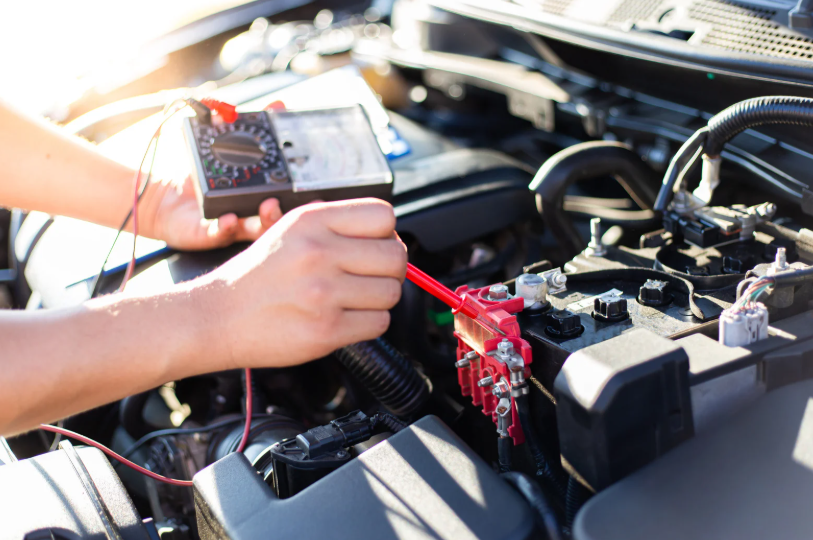
Buying a used car is one of the smartest financial moves you can make – but it carries real risk when you skip the homework. Plenty of vehicles in Garland look clean, drive decently on a short spin around the block, and still have serious mechanical problems hiding underneath. Knowing how to spot those issues before you sign anything can save you thousands of dollars and a lot of frustration down the road.
This guide walks you through a practical inspection process that works whether you’re shopping from a private seller or a used car lot. You’ll learn which warning signs matter most, how to read fluid conditions, what a test drive should actually tell you, and when it makes sense to pay a professional for a thorough look. If you’re in the market for buying used cars in Garland, these steps apply directly to what you’ll encounter right here in the area.
Why Hidden Mechanical Problems Are So Common
Most sellers, even well-intentioned ones, don’t disclose every issue a vehicle has. Some sellers don’t know. Others know but figure a fresh detail and a quick drive will move the car along. The result is that buyers regularly inherit problems they never saw coming.
The used car market across Garland and the wider DFW area moves quickly, and vehicles change hands fast. That pace creates room for problems to slip through. A car with a slow oil leak, a marginal transmission, or soft brakes can pass a casual walk-around without raising any flags. The issues only surface after you’ve owned it for a few weeks.
One of the most effective tools available before your inspection even starts is a vehicle history report. Services like Carfax and AutoCheck use the VIN to pull records on past accidents, title changes, odometer readings, and flood or salvage designations. A clean report doesn’t guarantee a clean car, but it gives you a critical baseline before you ever open the hood.
Step One: The Exterior Walk-Around
Start outside, in good daylight. Avoid inspecting at night or under covered parking where lighting hides paint condition and body contours. Walk the full perimeter slowly and give attention to a few specific areas.
Paint and Panel Consistency
Crouch down and look along the length of each panel from a low angle. Wavy surfaces, inconsistent texture between panels, or slight color differences often indicate bodywork after a collision. Repainting one panel doesn’t necessarily signal a major accident, but it does mean something happened that the seller may not have mentioned.
Check the gaps between doors, the hood, the trunk lid, and the fenders. Spacing should be even and consistent on both sides of the car. Uneven gaps, especially across the front end, can indicate frame misalignment from a significant impact.
Rust and Undercarriage Condition
Surface rust on brake rotors is normal for a car that has been sitting, but rust on frame rails, floor pans, or suspension components is a different matter entirely. Get down and use your phone flashlight to check under the rocker panels and along the frame. In North Texas, heavy undercarriage rust is less common than in northern states, but flood-damaged vehicles that get moved inland and resold throughout the Dallas area can develop it quickly in spots that are easy to miss.
Watch for fresh undercoating that looks newer than the surrounding metal. Some sellers apply it to conceal frame repairs or corrosion, particularly on vehicles with flood history.
Step Two: Under the Hood
The engine bay tells the story of how a vehicle was maintained. A clean engine is a positive sign, though some sellers pressure-wash it before a sale specifically to hide leaks. Here’s what to check regardless of how clean things appear.
Fluid Condition Is Your Primary Signal
Pull the oil dipstick. Healthy oil runs amber to light brown. Black oil signals it’s overdue for a change, pointing to deferred maintenance. Milky or foamy oil is the most serious warning on this list – it means coolant has mixed with the oil, which typically indicates a head gasket failure or a cracked block. Either repair runs well above $1,000.
Check the transmission fluid if the vehicle has a dipstick for it. Healthy fluid is pink or red with a slightly sweet smell. Brown fluid with a burnt odor means the transmission has been running hot or going without service. Transmission rebuilds in the DFW area typically cost $2,500 to $4,500 or more depending on the vehicle.
Look at the coolant reservoir. It should be green, orange, or pink depending on the coolant type. Brown or rust-colored coolant means the cooling system hasn’t been flushed in a long time and likely has internal corrosion building up.
Leaks and Belt Condition
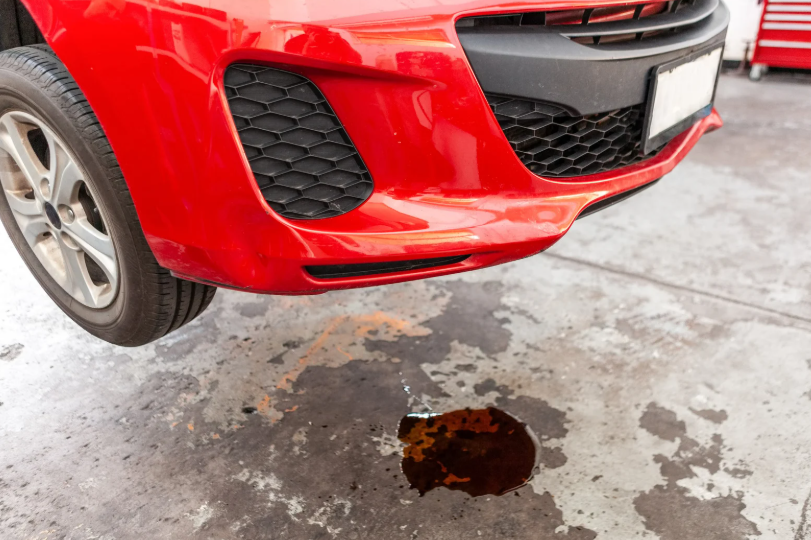
Ask the seller where the car has been parked and check that spot for fresh fluid spots on the pavement. Look along the engine block, valve cover, and oil pan seams for accumulated grime with an oily sheen, the telltale sign of a slow, ongoing seep that gets worse over time.
Inspect the serpentine belt for cracking, fraying, or a glazed surface. On most modern engines this single belt drives the alternator, power steering pump, and air conditioning compressor simultaneously. A belt that’s overdue is a cheap fix if caught early. A failure on the road leaves you stranded.
Fluid Quick-Reference: What Each Color Signals
• Engine oil – amber or light brown is good; black means overdue; milky means coolant leak (major issue)
• Transmission fluid – pink or red is good; brown with a burnt smell means worn transmission
• Coolant – green, orange, or pink is normal; brown or rusty means neglected cooling system
• Brake fluid – clear to light yellow is good; dark brown means it needs a flush
• Power steering fluid – clear or light amber is good; dark or foamy signals a problem
Step Three: The Test Drive Protocol
A quick lap around the block tells you almost nothing useful. A proper test drive runs at least 20 to 30 minutes and covers a mix of highway speeds, stop-and-go traffic, and at least one firm stop from around 45 mph. Here’s what to watch for throughout.
Cold Start Behavior
Start the car cold if at all possible – ask the seller not to warm it up before you arrive. A cold engine that hesitates, knocks, or sends blue or white smoke out of the exhaust at startup often has problems that disappear once the engine reaches operating temperature. Sellers who pre-warm a car before a test drive are sometimes masking exactly that.
Transmission Shifting
During acceleration, pay attention to how the automatic transmission moves through gears. Each shift should be smooth and prompt. Hard shifts, delayed engagement, shuddering between gears, or slipping where the engine revs but the car doesn’t accelerate proportionally are signs of a transmission that needs serious attention.
Brakes and Steering
Find a safe open stretch and perform a firm stop from highway speed. The car should stop straight without pulling to one side. A pulsing or vibrating pedal means the rotors are warped. Grinding means the pads are metal-on-metal. A soft pedal that requires pumping points to air in the brake lines or a failing master cylinder.
At highway speed, briefly release the steering wheel and observe whether the car tracks straight. Pulling to one side can indicate alignment issues, a bent tie rod, or uneven tire pressure. These range from inexpensive fixes to signs of deeper suspension or frame problems, depending on the cause.
Dashboard Warning Lights
When you turn the key to the on position before starting, all warning lights should illuminate briefly and then go dark once the engine starts. A check engine light, ABS light, or airbag light that stays on after the engine is running means there’s an active fault code stored in the vehicle’s computer. Don’t accept a seller’s assurance that it’s just a minor sensor. Have the code read before making any decisions.
Step Four: Pre-Purchase Inspections
Even if you work through every step above without finding a single issue, a professional pre-purchase inspection is still worth considering on any vehicle priced above a few thousand dollars. A trained mechanic on a lift sees things that aren’t detectable from ground level: frame weld quality, undercarriage rust, fluid leaks at specific components, worn ball joints, and the condition of brake hardware throughout.
At our Garland location, DallasAutos4Less offers pre-purchase inspections as part of a commitment to transparent transactions. A documented inspection gives you clarity on exactly what you’re buying and can sometimes surface negotiation points that adjust the final price.
For private seller situations, shop inspections at an independent garage typically run $100 to $150. That cost is a fraction of what a single undisclosed repair could run after the sale. A full inspection covers the engine, transmission, brakes, suspension, steering components, and usually includes an OBD-II scan for stored fault codes. If a seller refuses to let you take the vehicle to a mechanic, treat that refusal as significant.
Red Flags That Should Trigger Extra Caution

Certain patterns consistently appear before buyers discover they purchased a problem vehicle. None of these automatically mean a car is bad, but each one warrants slowing down and doing more homework before committing.
• Pricing that sits significantly below Kelley Blue Book or comparable listings in the Garland area
• A seller who resists or refuses an independent inspection for any reason
• Titles recently transferred from coastal or hurricane-affected states – flood vehicles are routinely moved inland and resold throughout Texas
• Service records that are vague, incomplete, or entirely missing
• Odometer readings that don’t match the wear level visible on pedals, the steering wheel, and seat bolsters
• A vehicle that was listed very recently after sitting in the same seller’s possession for an extended period
If you notice more than two of these signs on the same vehicle, the smart play is to either invest in a professional inspection or walk away and continue shopping. There are always more vehicles.
Buying Used Cars in Garland with Confidence
The Garland used car market offers plenty of solid vehicles at prices that work across a range of budgets. Sellers and dealerships that stand behind their inventory will welcome a thorough inspection because it builds trust on both sides of the transaction. You can browse the current used car inventory at DallasAutos4Less to see what’s available right now, including makes, models, mileage, and pricing.
If your credit situation adds a layer of complexity to the purchase, in-house financing is structured to approve buyers based on their ability to pay, not just a credit score. For buyers working through past credit challenges, bad credit auto loans are designed to get you into a reliable vehicle without the barriers that traditional lenders put in place.
Every vehicle sold at our Garland location comes with a warranty covering engine, differential, and A/C components, plus a complimentary oil change and full detail. That kind of post-sale protection matters when you’re buying used.
Frequently Asked Questions
What is the most important mechanical check when buying a used car?
Engine and transmission conditions carry the most weight because repairs to either one are the most expensive. Start with fluid checks, a cold start, and a transmission shift test during the drive. A vehicle history report should also be your first step before any in-person inspection.
How do I know if a used car has flood damage?
Open the doors and smell the interior – a musty or mildew odor is the most immediate warning sign. Check under the carpets and floor mats for moisture or staining. Look at metal fasteners, wiring harnesses, and seat rail brackets for rust or corrosion that doesn’t match the car’s overall condition. Mineral deposits or sediment in hidden crevices are another reliable indicator.
Is a pre-purchase inspection worth the cost?
Consistently, yes. A $100 to $150 inspection that uncovers a $2,000 problem pays for itself many times over. Even when the car comes through cleanly, that confirmation is worth what you paid for it. Most reputable sellers and dealerships will accommodate an inspection request without hesitation. Resistance to the request is itself a meaningful signal.
Can I spot mechanical problems without being a mechanic?
You can catch the most common and costly ones. Fluid color and condition, exhaust smoke at startup, dashboard warning lights, and brake feel during a test drive are all things any buyer can evaluate with basic preparation. The steps in this guide are built specifically for non-mechanics who want a reliable result without specialized tools.
What should I do if the check engine light is on?
Do not purchase the vehicle until you know exactly what fault code is stored. An OBD-II scanner reads the code in minutes, and you can look up what it means before making any decision. Some codes are minor, like a loose gas cap. Others point to catalytic converter failure or engine misfires that are expensive to address. Knowing the difference is essential.
How does buying from a dealership differ from a private seller?
Dealerships are generally held to higher standards through licensing requirements and consumer protection regulations. Reputable lots also offer warranties, documented inspection records, and financing options that private sellers can’t match. That said, inspect every vehicle the same way regardless of where it comes from. Reputation doesn’t replace a hands-on check.
Do I need a vehicle history report if the car looks clean?
Yes. Physical condition doesn’t reveal title history, past flood or salvage designations, odometer discrepancies, or prior accident records. A vehicle history report catches things that are invisible to the eye and takes only a few minutes to pull using the VIN. It’s a non-negotiable first step on any serious purchase.
About DallasAutos4Less
With over 30 years in the car business, DallasAutos4Less is a trusted buy-here pay-here dealership serving buyers throughout the DFW area from our location in Garland, TX at 2660 S Garland Ave. The dealership specializes in in-house financing for customers across all credit situations – approval is based on your ability to pay, not your credit score. Every vehicle on the lot is inspected before sale and comes with a dealer warranty covering engine, differential, and A/C components, along with a complimentary oil change and full detail.
Ready to Find Your Next Vehicle?
Stop by our Garland dealership or contact our team to browse current inventory, ask questions, or get pre-approved today. At DallasAutos4Less we say yes when others say no, and we back every sale with honest pricing and real support. Call us at (469) 298-3118 or visit us at 2660 S Garland Ave, Garland, TX 75041.
