



Note: This post is for general informational purposes only and does not constitute insurance advice. Policy terms vary by provider. Always review your specific policy or consult a licensed insurance agent for guidance on your coverage.
If you live in Garland or anywhere in the Dallas-Fort Worth area, hail is not a hypothetical threat. It is a recurring reality. Texas led the United States in hail events in 2024, and the DFW metro sits squarely in the region meteorologists call Hail Alley, where warm Gulf air colliding with cold fronts produces some of the most frequent and severe hailstorms in the country. A single storm can leave dozens of dents across a vehicle’s roof, hood, and trunk in under two minutes.
Whether your insurance actually pays for that damage depends entirely on which type of coverage you carry. The answer is not the same for every driver, and understanding it before a storm rolls through is significantly more useful than figuring it out after the fact. This guide explains which coverage applies, how claims work, when a hail-damaged car becomes a total loss, and what Garland drivers buying or already owning a used vehicle need to factor into their coverage decisions.
The Direct Answer: Only Comprehensive Coverage Pays for Hail
Car insurance in Texas comes in several forms, and most drivers are familiar with the two that interact most directly with their daily risk: liability coverage and what is commonly called “full coverage.” The coverage type that applies specifically to hail damage is comprehensive, and it is only included in full coverage policies.
Liability Coverage Does Not Cover Your Vehicle
Texas law requires every driver to carry at minimum 30/60/25 liability coverage, which means $30,000 per person and $60,000 per accident in bodily injury liability, and $25,000 in property damage liability. Liability insurance pays for damage and injuries you cause to other people. It does not pay for any damage to your own vehicle, ever. If a hailstorm batters your car while it is parked in your driveway, liability coverage provides zero protection.
Many drivers in Garland and across the DFW area carry liability-only policies, particularly on older or lower-value vehicles where the cost of adding comprehensive coverage seems hard to justify. That calculation is worth revisiting given the frequency of severe hail in North Texas.
Comprehensive Coverage Is What Applies to Hail
Comprehensive coverage, which is part of a full coverage policy alongside collision, protects your vehicle from damage caused by events outside of a collision. The list includes hail, flooding, theft, vandalism, fire, fallen objects, and animal strikes. When a hailstorm dents your hood, cracks your windshield, or damages your roof, comprehensive coverage is what pays for repairs after your deductible.
Lenders and financing institutions require comprehensive coverage whenever a vehicle is financed. If you have a car loan or are buying through in-house financing, comprehensive and collision are not optional. They are required under your financing agreement to protect the lender’s interest in the vehicle. If you own your vehicle outright, adding comprehensive is your choice, but in a market as hail-active as North Texas, it is a choice worth making deliberately rather than by default.
How a Hail Damage Claim Actually Works
Filing a hail damage claim is not complicated, but the sequence matters and small missteps can slow the process or reduce your settlement. Here is the sequence that produces the best outcome.
Step 1: Document Everything Before Repairs Begin
As soon as it is safe after the storm, photograph your vehicle thoroughly. Take wide-angle shots from every angle and close-up shots of every dent, crack, and chip. Photograph the windshield, sunroof, mirrors, roof, hood, trunk lid, and all four doors. Timestamped photos establish that the damage occurred during the storm event, which insurers verify against NOAA weather data. Do not begin any repairs or take your vehicle to a body shop until your claim is underway and you have documentation in hand.
Step 2: File the Claim Promptly
Most Texas insurers require prompt notice of any damage. The Texas Department of Insurance recommends filing as soon as possible after a storm event. Some policies specify a filing window, and delays can complicate the claim. Most insurers allow claims to be filed online, through a mobile app, or by phone. Have your policy number, the date and approximate time of the storm, and your documentation ready when you file.
One important caveat: insurers will not let you add comprehensive coverage after a storm has already been forecast and a binding restriction is in place. If a major hailstorm is approaching and you do not currently have comprehensive coverage, you cannot add it to protect against that specific storm. Coverage needs to be active before the damage occurs.
Step 3: The Adjuster Assessment
Once your claim is filed, your insurer will assign an adjuster to assess the damage. The adjuster’s estimate determines what your insurer will pay. If you believe the estimate is too low or misses damage, you have the right to get your own repair estimate from a body shop of your choosing and present it to the adjuster. Many insurers will work directly with a preferred shop. If there is a discrepancy between estimates, the insurer and shop can often negotiate directly.
Step 4: Deductible and Payment
You pay your deductible, and the insurer covers the remaining repair cost up to the vehicle’s actual cash value. Comprehensive deductibles on most Texas policies range from $250 to $1,000. The deductible amount you chose when you set up your policy directly affects both your monthly premium and your out-of-pocket cost in a claim. A higher deductible lowers the monthly premium but raises the amount you pay when something happens.
Before filing any claim, compare your deductible to the repair estimate. If repairs cost $800 and your deductible is $1,000, filing a claim produces no payment from your insurer and may affect your rates. If repairs cost $4,000 and your deductible is $500, filing clearly makes sense.
When Hail Totals a Vehicle
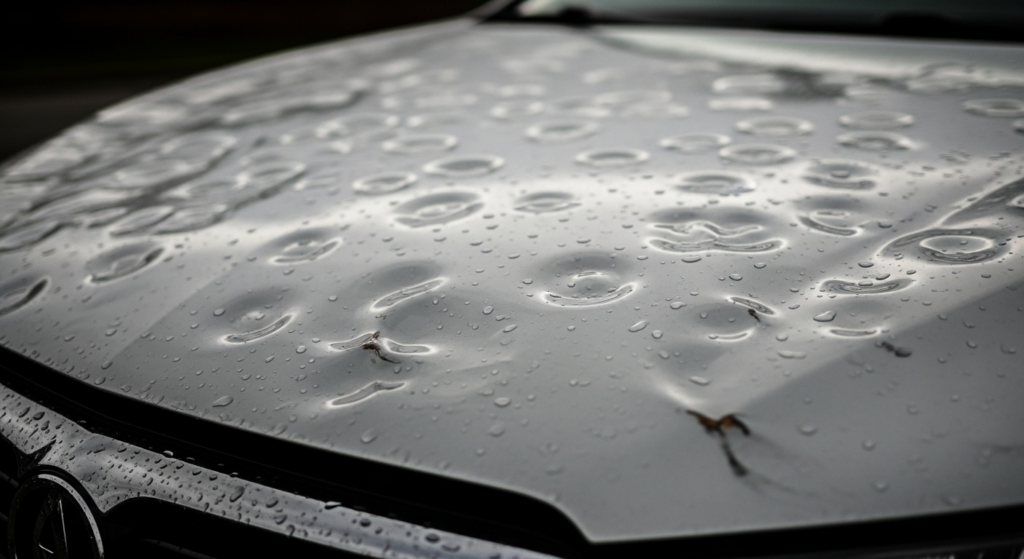
A vehicle is declared a total loss when the cost to repair it exceeds its actual cash value, which is the market value of the vehicle at the time of the damage, not what you paid for it. Hail is surprisingly effective at totaling cars. Because a storm hits an entire vehicle simultaneously, the damage accumulates across every exterior surface at once. Widespread denting across the roof, hood, trunk, and all four doors, combined with a cracked windshield and damaged side mirrors, can produce repair estimates that exceed the vehicle’s value, particularly on older or higher-mileage vehicles.
The average hail damage claim costs between $4,000 and $5,000 nationally, according to insurance industry data. For a vehicle with a current market value of $6,000 to $8,000, that repair cost approaches or exceeds the threshold for a total loss declaration, especially after accounting for additional damage beyond the obvious dents.
What Happens When a Car Is Declared a Total Loss
If your insurer declares your vehicle a total loss, they will offer you the actual cash value of the vehicle minus your deductible, rather than paying for repairs. You can accept that payment and surrender the vehicle, or you can negotiate the valuation if you believe the offer underrepresents what the vehicle is worth. Use Kelley Blue Book and comparable local listings to establish a reference point for your negotiation.
In Texas, a vehicle totaled by hail may or may not receive a salvage or hail-designated title depending on whether the insurance company declares it a total loss and whether you retain the vehicle. If the insurer settles the claim and you keep the vehicle in a damaged state rather than having it repaired, that history may appear on future vehicle history reports. Buyers discovering unrepaired hail damage on a vehicle they are considering purchasing will find that information in a vehicle history report, which is one reason pulling that report on any used vehicle purchase is standard practice.
What Garland and DFW Used Car Buyers Need to Know Specifically
The North Texas hail environment creates specific considerations for used car buyers that buyers in other parts of the country do not face to the same degree.
Hail-Damaged Vehicles Circulate in the Used Market
After major hail events in the DFW area, vehicles that were declared total losses, repaired, or left with unrepaired cosmetic damage enter the used car market in significant numbers. Some of these vehicles are disclosed accurately and priced to reflect their condition. Others are not. Cosmetic hail damage that has been partially repaired or partially concealed is not always obvious during a casual walk-around.
A vehicle history report using the VIN will flag prior insurance claims, total loss declarations, and salvage or rebuilt title designations where those events were reported. This does not catch every case of hail damage, since some damage is repaired without an insurance claim, but it identifies the most significant documented incidents. Running this report on any used vehicle you are seriously considering is a non-negotiable step in the DFW market.
A pre-purchase inspection by a mechanic or body shop can detect hail damage that has been cosmetically addressed but not fully repaired, as well as previous bodywork that may indicate the vehicle had more damage than the history report shows. This step costs $100 to $150 and is particularly valuable in a market where significant hail events have occurred recently.
Comprehensive Coverage Is More Important in North Texas Than Elsewhere
Garland sits in one of the most hail-active corridors in the country. Doppler radar has detected hail at or near Dallas on over 200 occasions in recent years. For drivers who own their vehicles outright and might otherwise consider liability-only coverage, the frequency and severity of North Texas hailstorms makes the case for comprehensive coverage stronger here than it would be in most other parts of the country.
The math is worth running specifically for your vehicle. Pull your car’s current market value and compare the annual cost of adding comprehensive coverage at your chosen deductible level. In a region where a major hail event can cause $4,000 or more in damage to a single vehicle in one afternoon, comprehensive coverage often justifies its cost in ways that are harder to demonstrate in lower-risk markets.
Hail Damage Affects Trade-In and Resale Value
Unrepaired hail damage reduces a vehicle’s trade-in and resale value, sometimes significantly. If you are trading in a hail-damaged vehicle, understanding its current market value in its actual condition is important before you enter that conversation. A vehicle with moderate hail damage across the roof and hood will receive a lower trade-in offer than the same vehicle in clean condition, and that gap should be factored into any vehicle replacement decision.
Getting a trade-in appraisal before visiting a lot tells you what your damaged vehicle is actually worth in today’s market and how that value applies toward your next purchase. Having that number in advance prevents surprises during the negotiation.
Practical Ways to Protect Your Vehicle from Hail in Garland
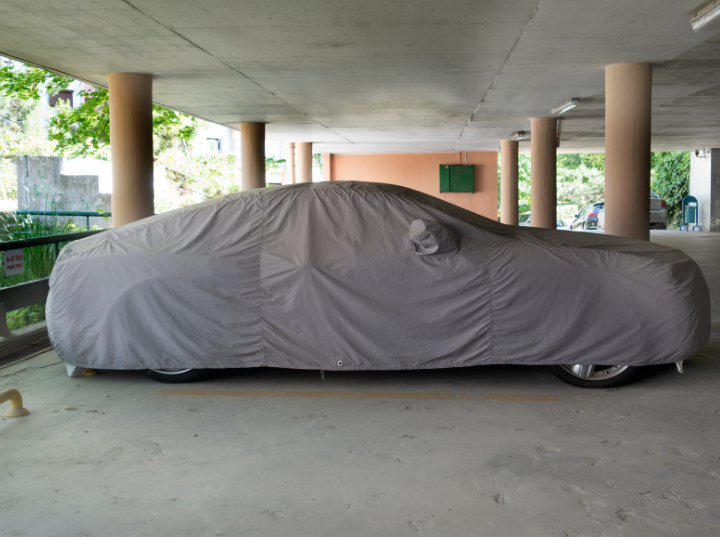
Prevention is less reliable than comprehensive coverage in a market as hail-active as North Texas, but some steps reduce your exposure.
• Covered parking is the most effective protection available. A garage, carport, or covered parking structure eliminates hail exposure entirely. If permanent covered parking is not an option, watch local weather forecasts during storm season and use temporary covered parking, such as a parking garage, when severe weather is forecast.
• Hail car covers are available for purchase and provide some protection for lighter hail events. They are less effective against large-stone hail, which is the kind North Texas regularly produces, and they require enough advance notice to deploy before the storm arrives.
• Weather apps with severe weather alerts give you the maximum lead time available to respond. The DFW National Weather Service issues severe thunderstorm warnings when hail of one inch or greater is expected. Having those alerts active means you know when a storm is approaching before it arrives.
• Know your deductible before storm season. If you are not sure what your comprehensive deductible is, check your policy now. A $1,000 deductible changes the calculation on whether to file a claim for moderate damage compared to a $500 deductible.
None of these steps replaces having the right coverage in place before a storm occurs. Comprehensive coverage added after a storm is forecast is not available through a binding restriction. The coverage decision needs to precede the storm, not follow it.
Buying a Used Car in the DFW Area with Hail in Mind
For buyers shopping the Garland and DFW used car market, hail awareness starts with the vehicle selection process.
Every vehicle in the used car inventory at DallasAutos4Less is inspected before sale. Pre-sale inspections and the included dealer warranty covering engine, differential, and A/C components give buyers a baseline of confidence in what they are purchasing. The warranty covers mechanical components, not weather damage – that remains the domain of your auto insurance policy – but knowing the vehicle has been inspected and the major mechanical systems are covered removes one layer of uncertainty from the purchase.
When evaluating any used vehicle in the DFW market, look closely at the roof, hood, and trunk lid in good daylight from a low angle. Hail dents are often subtle individually but visible as a pattern when you view a large surface from the side. Mismatched paint or texture differences on body panels can indicate prior hail repair. A thorough physical inspection combined with a vehicle history report catches most documented hail damage before it becomes your problem.
For buyers who need financing that works with their actual credit situation, in-house financing at DallasAutos4Less is structured around income and payment ability rather than credit score. Approval does not depend on a credit history that may not reflect where you are today.
Frequently Asked Questions
Does liability car insurance cover hail damage in Texas?
No. Liability coverage only pays for damage you cause to other people or their property. It does not cover any damage to your own vehicle, including hail damage. Only comprehensive coverage, which is part of a full coverage policy, protects your vehicle from hail.
Will a hail damage claim raise my insurance rates?
It depends on your insurer. Because hail is a weather event outside your control, many insurers do not surcharge hail claims the same way they surcharge at-fault accident claims. However, filing multiple weather-related claims in a short period can result in rate increases or, in some cases, non-renewal by a carrier. Check with your insurer before filing on minor damage that barely exceeds your deductible.
Can hail actually total a car?
Yes. Because hail hits the entire exterior of a vehicle simultaneously, the damage accumulates across every surface at once. Widespread denting across the roof, hood, trunk, and doors combined with glass damage can produce repair estimates that exceed the vehicle’s actual cash value, triggering a total loss declaration. This is more common on older or lower-value vehicles where the threshold between repair cost and vehicle value is narrow.
What is the deductible for a hail claim?
Your deductible is specific to your policy and the amount you selected when you set it up. Comprehensive deductibles in Texas typically range from $250 to $1,000. Compare your deductible to any repair estimate before filing. If the repair cost is close to or below your deductible, paying out of pocket and preserving your claims history is often the better financial decision.
Can I add comprehensive coverage after a hailstorm has already happened?
No. Insurers implement binding restrictions before forecast severe weather events, which prevent new policies or coverage additions that would immediately result in a claim. Comprehensive coverage must be active before the damage occurs. Adding it after a storm has already hit does not cover damage from that storm.
How do I know if a used car I am buying has prior hail damage?
Pull a vehicle history report using the VIN before committing to any purchase. It will show prior insurance claims and total loss declarations where those events were reported. Also inspect the vehicle yourself in good daylight: view the roof, hood, and trunk lid from a low angle for patterns of small dents, and look for paint or texture inconsistencies on body panels that may indicate prior repair. A pre-purchase inspection by a body shop can identify repaired or partially repaired hail damage that is not visible in a quick walk-around.
What is paintless dent repair and does insurance cover it?
Paintless dent repair, commonly called PDR, is a technique where technicians use specialized tools to push dented metal back to its original position from behind the panel without repainting. It is the most common repair method for hail damage because it is faster and less expensive than conventional bodywork. Most comprehensive policies cover PDR when it is the appropriate repair method for the damage. The insurer and your chosen shop determine which method is appropriate for the specific damage on your vehicle.
About DallasAutos4Less
With over 30 years in the car business, DallasAutos4Less is a trusted used car dealership serving buyers throughout Garland and the wider DFW area from our location in Garland, TX at 2660 S Garland Ave. Every vehicle on the lot is inspected before sale and backed by a dealer warranty covering engine, differential, and A/C components. In-house financing is available for buyers across all credit situations, with approval based on payment ability rather than credit score. Every purchase includes a complimentary oil change and full detail.
Ready to Find Your Next Vehicle?
Browse the current used car inventory or stop by our Garland dealership at 2660 S Garland Ave. You can also contact our team or call (469) 298-3118 with any questions before you come in. At DallasAutos4Less, we say yes when others say no.
